


I can still picture the first time my son Dilon tasted fresh Dungeness crab. It was at Baykeeper’s crab dinner in 2014. He was 8 years old, surrounded by supporters like you who showed him how to crack the bright red claws. His whole face lit up! And he didn’t stop smiling or cracking until his plate was stacked high with empty shells.
That moment has always reminded me how lucky we are to live beside a Bay with such an incredibly rich food web.
Dungeness crab start life in the Pacific Ocean. As babies, they drift all the way into San Pablo Bay, settling in the North Bay’s tidal wetlands. They spend their early years there, feeding, molting, and growing stronger before beginning their long crawl down the Bay’s channels and out the Golden Gate, where they mature and start the next generation.
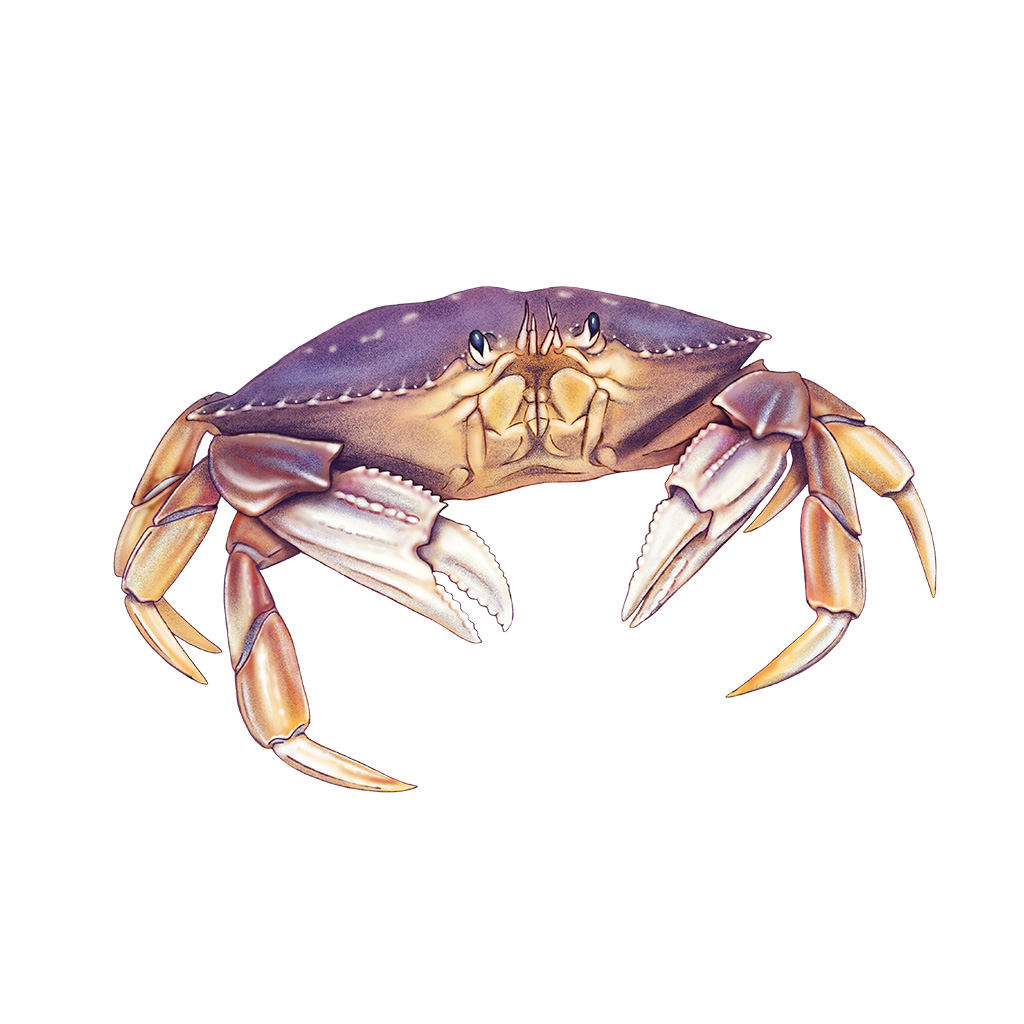
So every time we enjoy local Dungeness, we’re tasting the North Bay, the Central Bay, and the Pacific Ocean in every sweet bite.
But today, these remarkable creatures face mounting threats.
Right now, the commercial crabbing season is delayed because of elevated domoic acid levels—dangerous neurotoxins fueled by harmful algae blooms—as well as growing concerns for whales and sea turtles getting tangled in crabbing gear.
And there’s another challenge for Dungeness that far too few people know about: sand mining.
California allows companies to harvest sand directly from the Bay’s floor. These vessels operate like giant underwater vacuums, sucking up the Bay’s sand to sell for asphalt and concrete. But they don’t disturb just sand. Sand mining can also have an impact on some of the species that migrate in and out of the Bay, including Dungeness crab. Young Dungeness crabs trying to make their way toward the ocean can get caught in the dredges. It’s an unnecessary toll on a species already facing significant pressures.
That’s why, thanks to your generous support, Baykeeper has spent the last decade fighting for sustainable sand mining levels and better technologies that protect the Bay’s floor. Together, we won a major court case affirming that the Bay’s sand belongs to the public—not to private companies looking to profit by mining a nonrenewable resource. And now, as new sand mining permit renewals are being considered, we are continuing to push the state to safeguard the Bay’s sand for the species that depend on it.
Dungeness crabs are a living expression of the Bay’s abundance. And that’s something Dilon and I will always be grateful for.
Illustration by Fiorella Ikeue